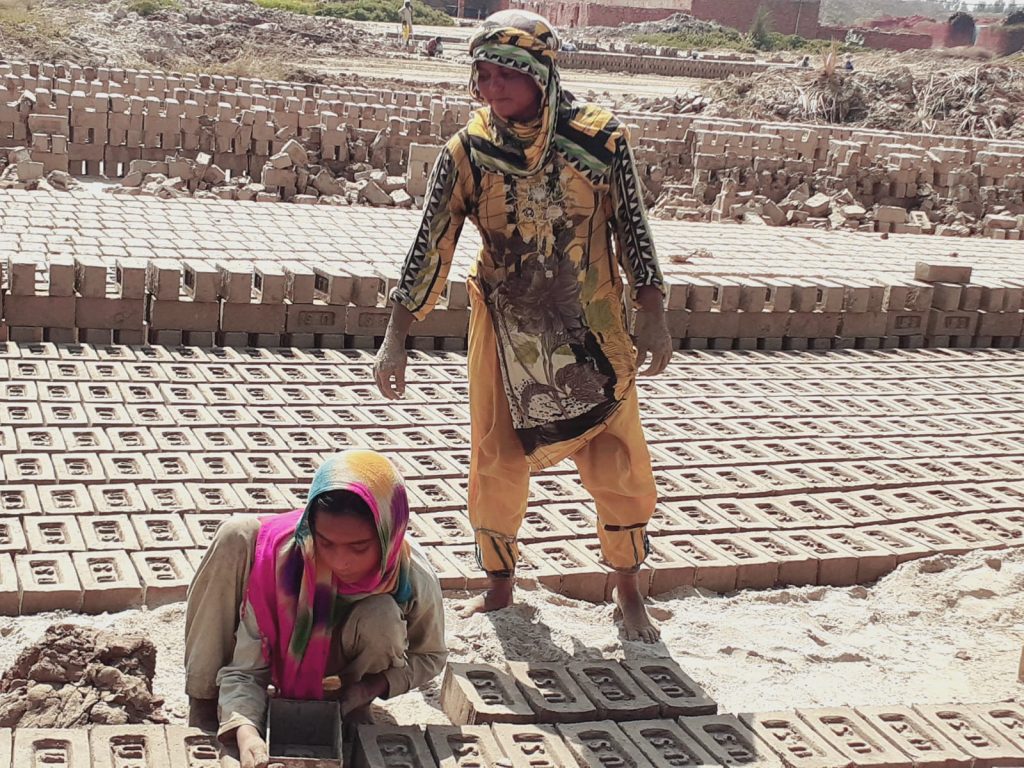
Kasur is considered a potential hub of the leather industry. Kasur Tanneries are infamous for adverse environmental impacts. These impacts are causing environmental pollution and health problems. This technique is based on tanning the hide by using acids, chemicals, and salts. The effluents are released directly into the surrounding environment. On the other-hand brick-kiln are another source of pollution and cause of many diseases in this area. There are also many other factories who are working in this area and creating the environmental problems for people.
Health Initiatives from LFTN:
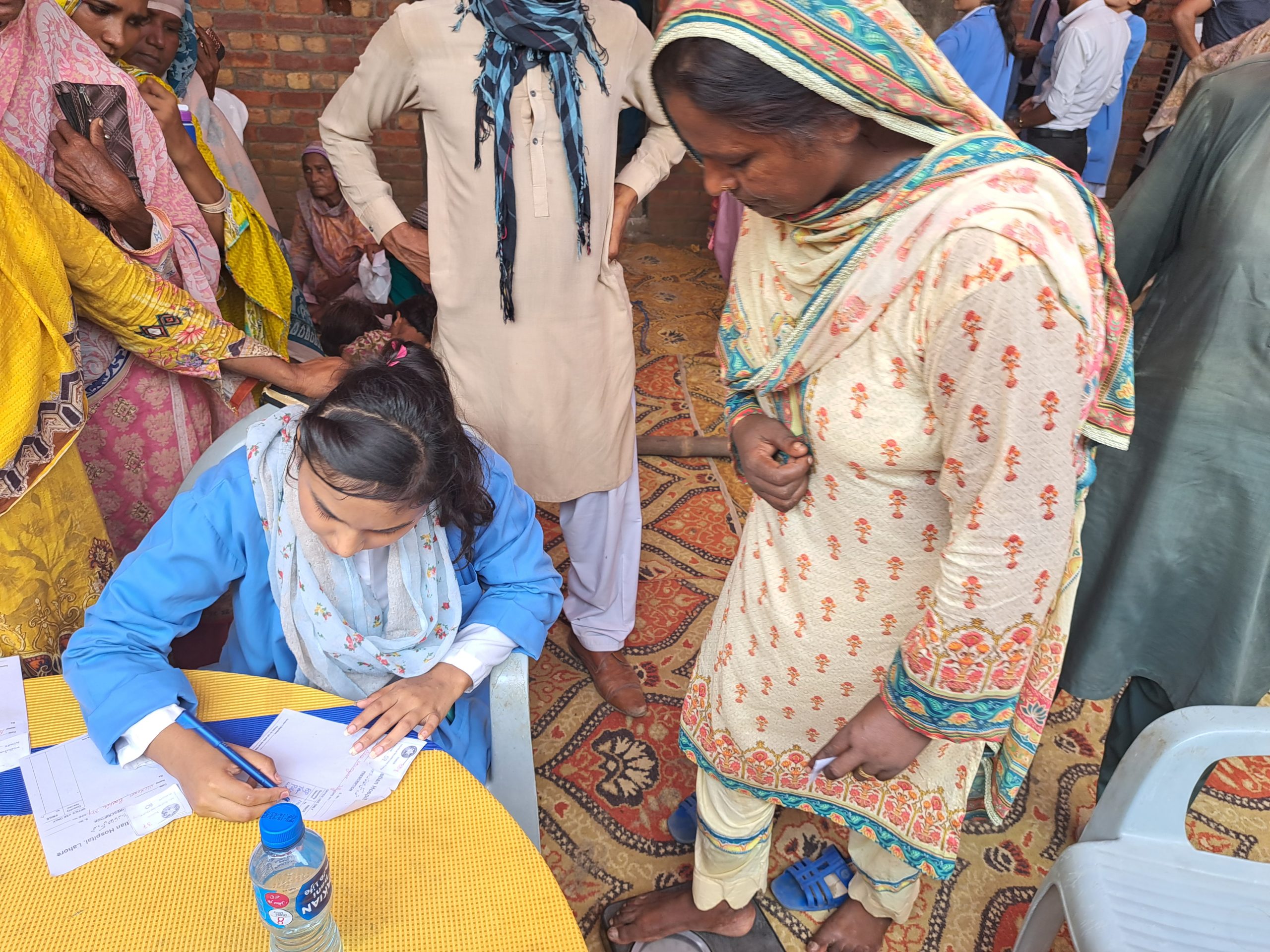
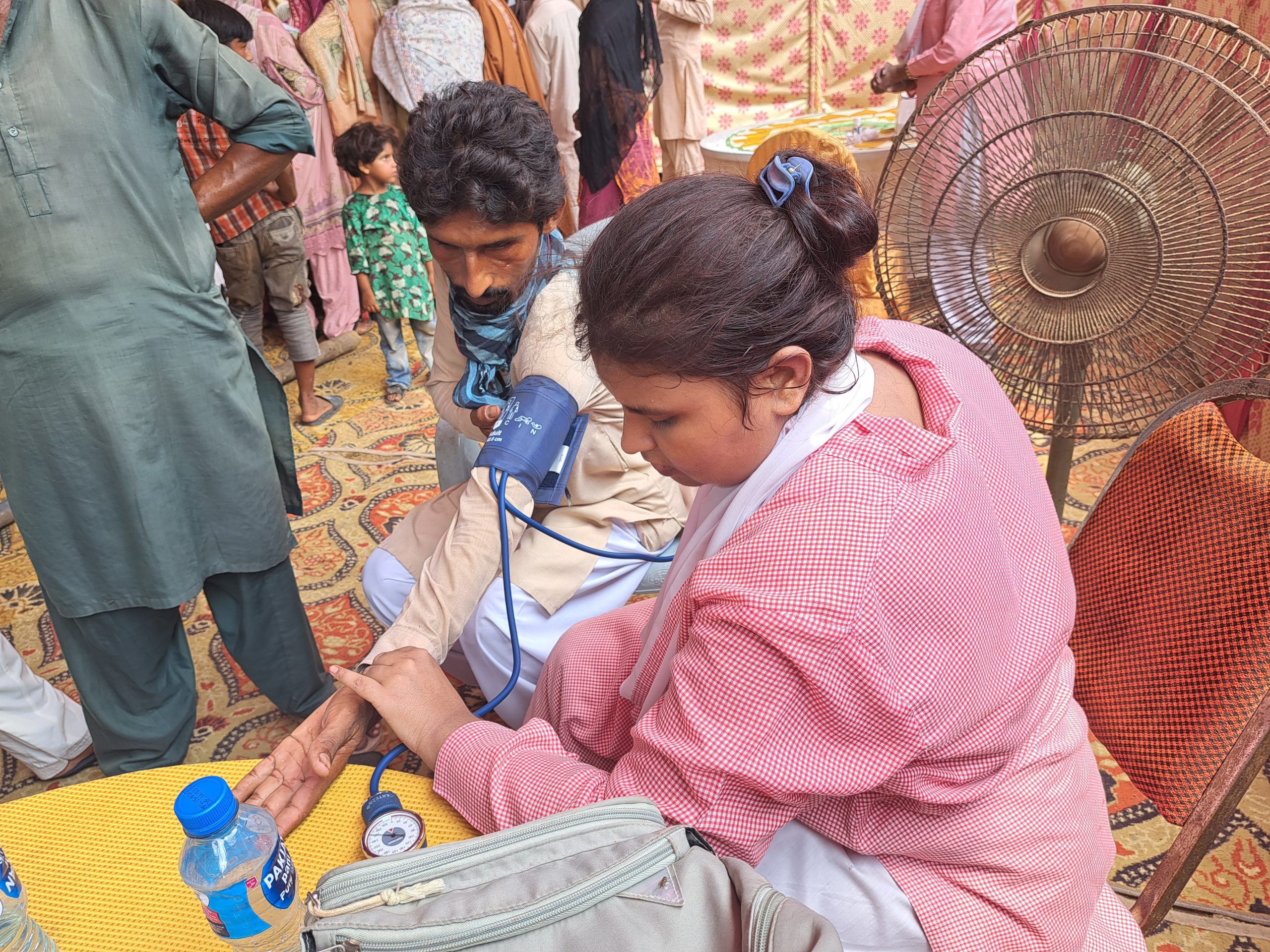
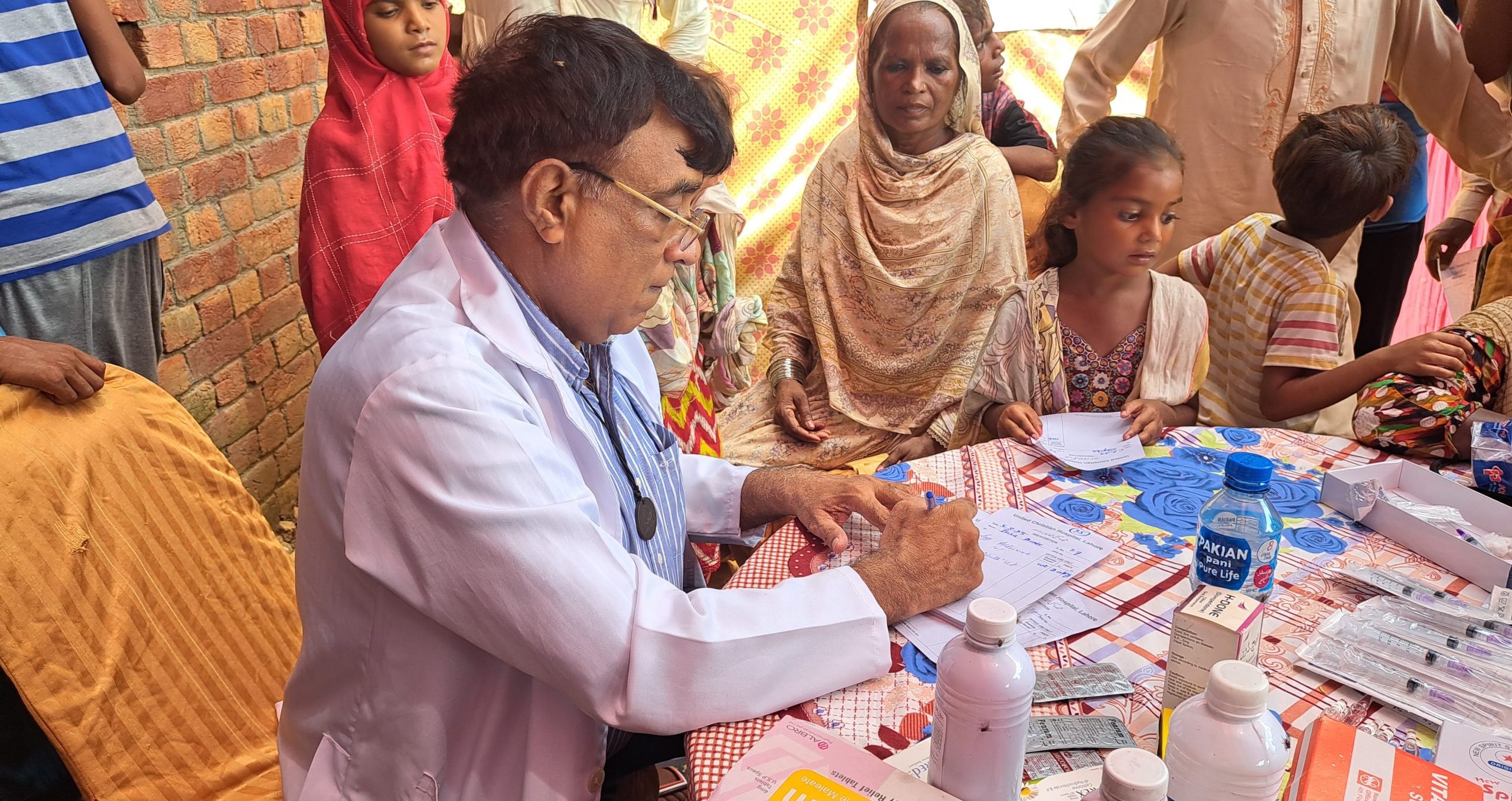
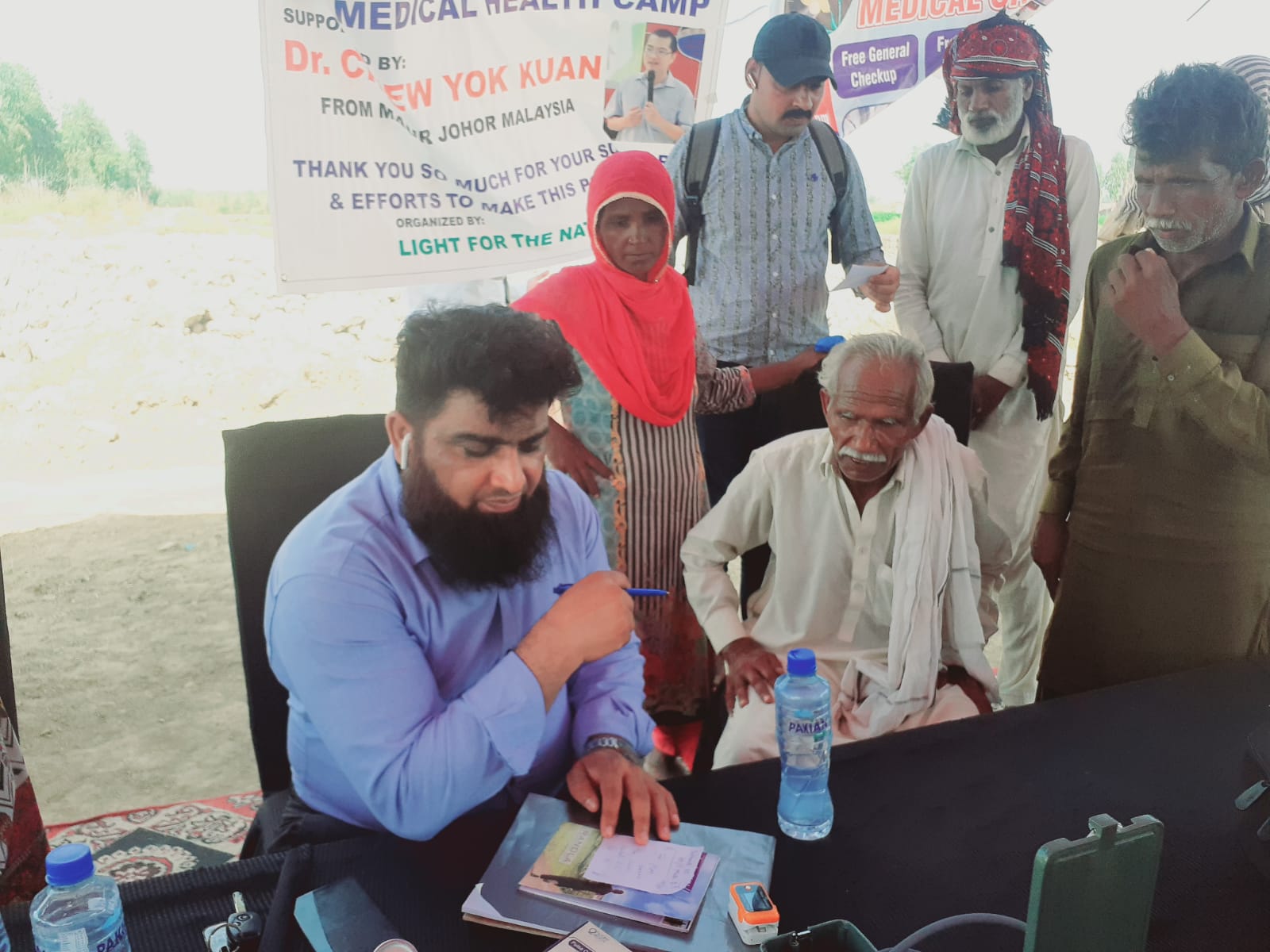
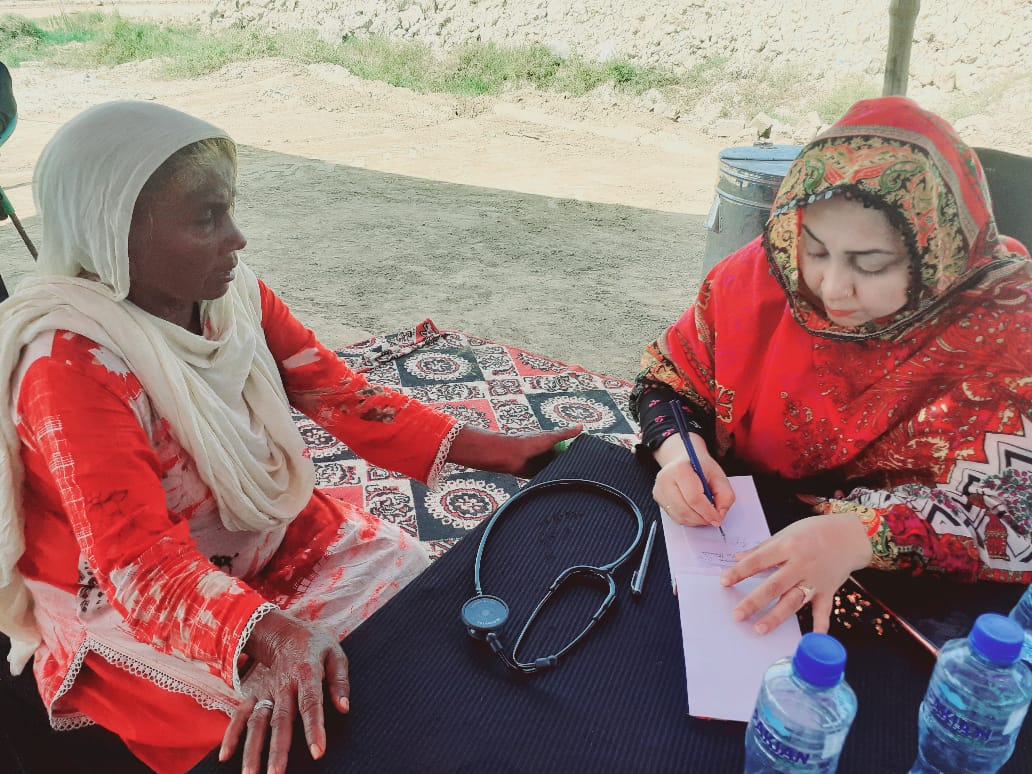
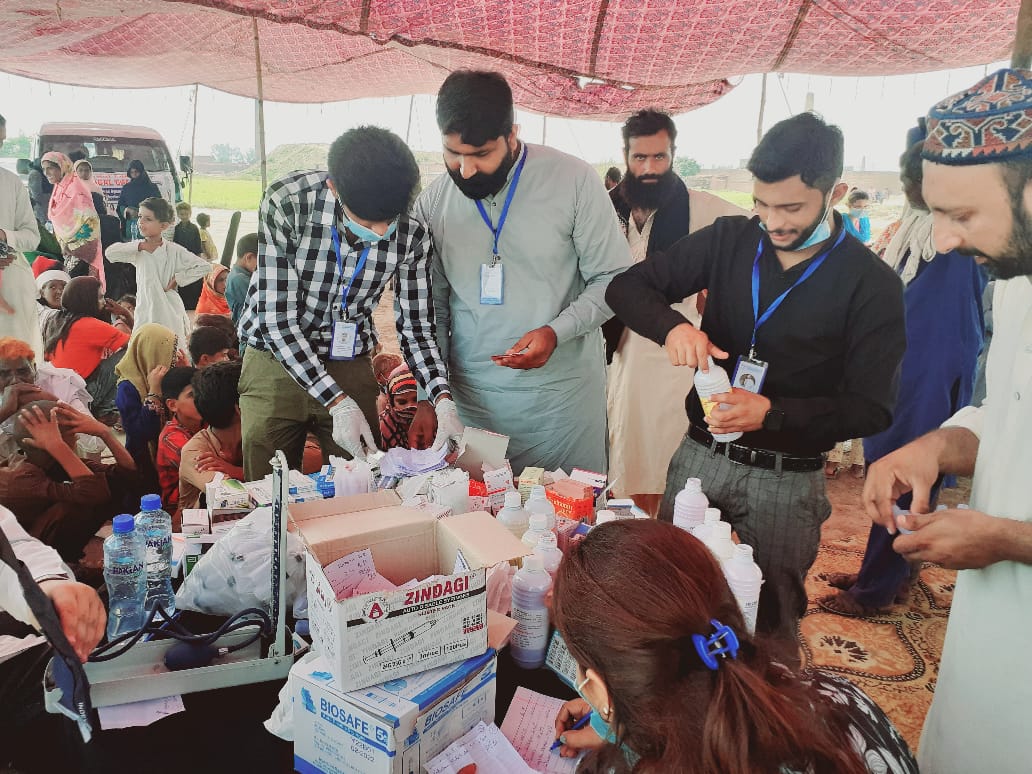
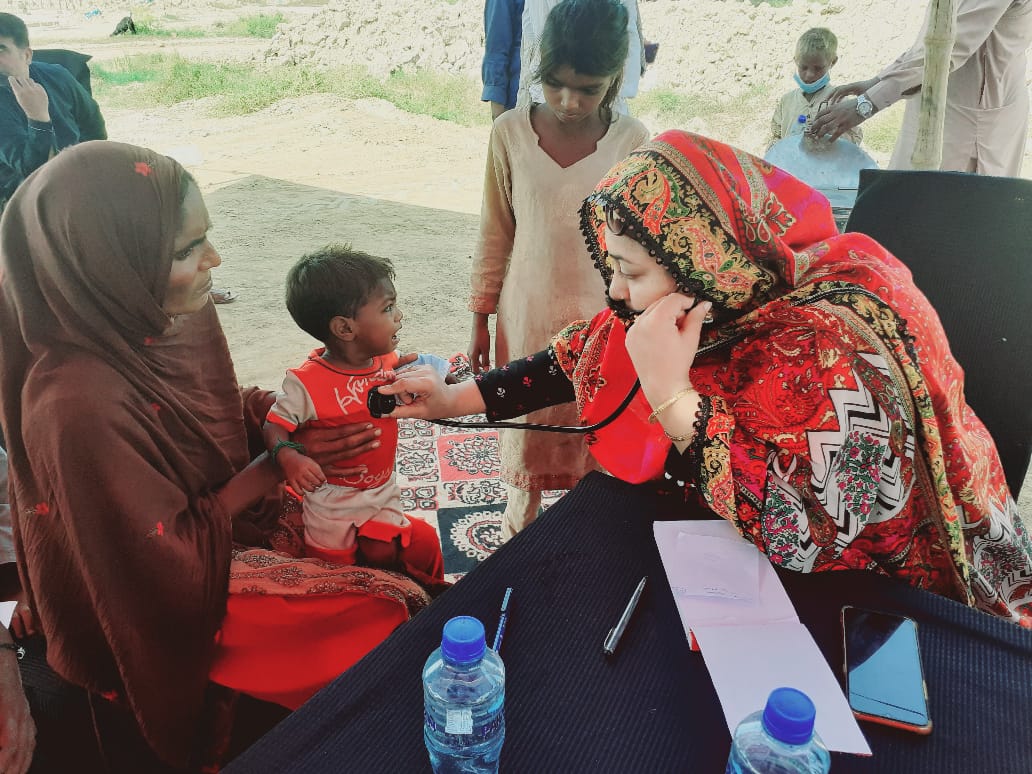
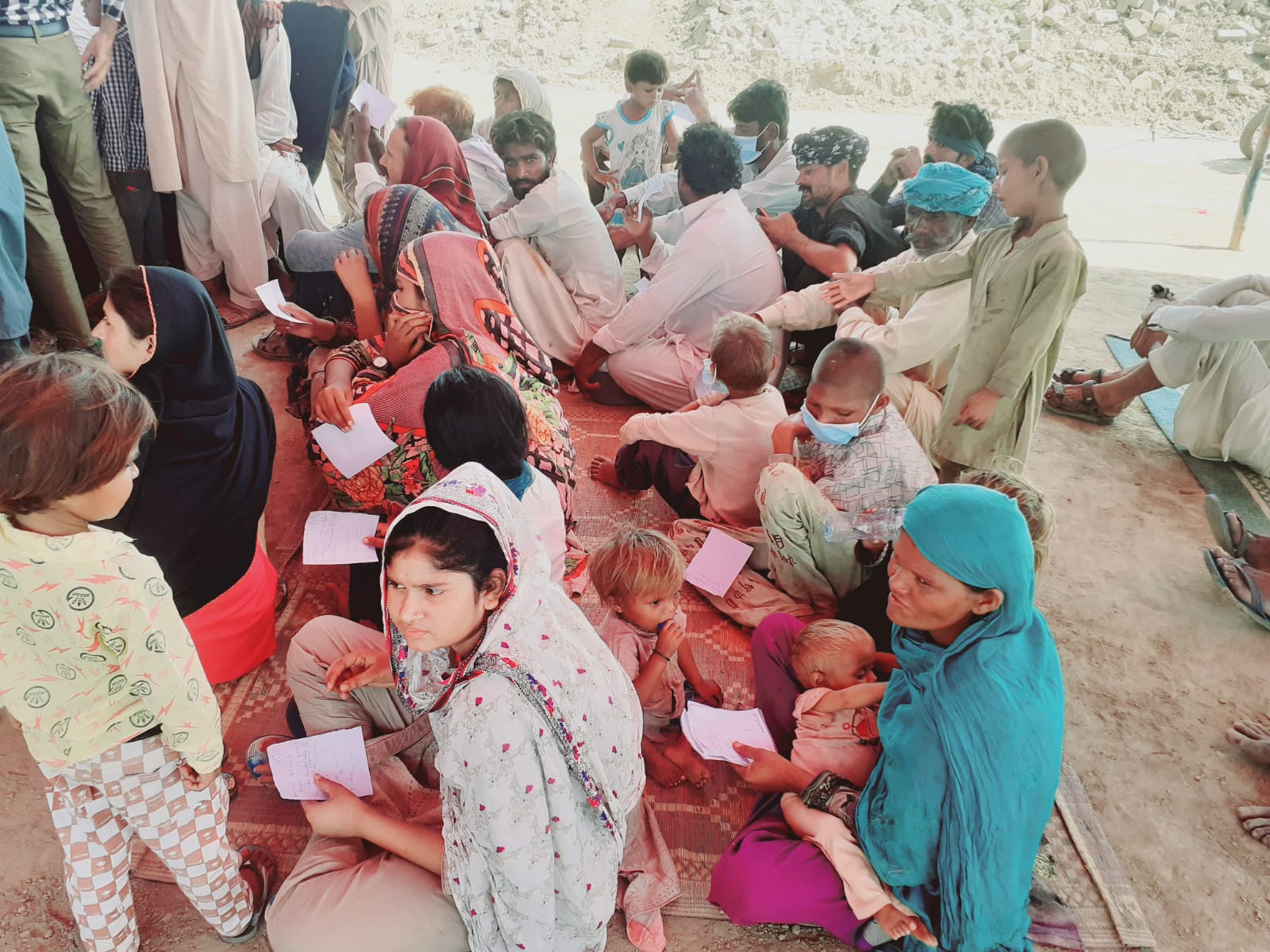
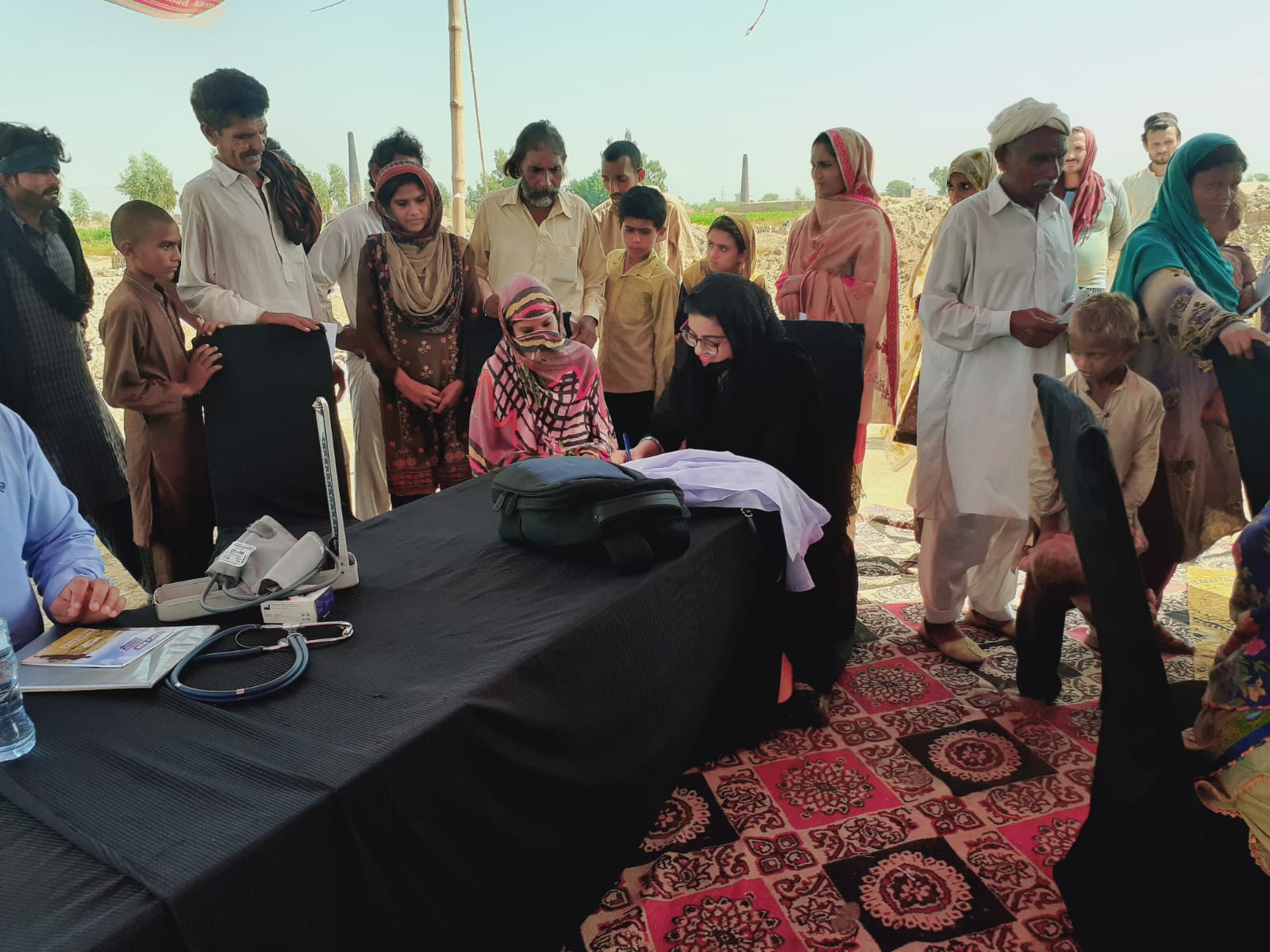
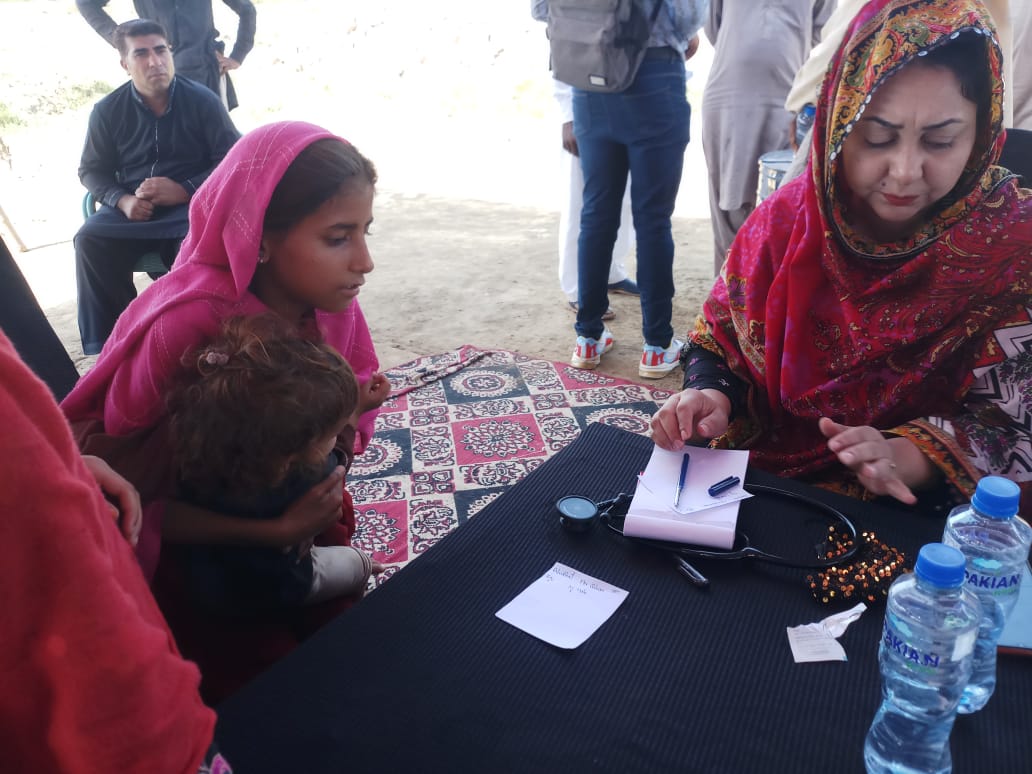
Monthly Mobile Health Units for brick-kiln workers
First Aid Trainings
Awareness Sessions for cleanliness and maternal health
Referred serious cases to Hospital and support them for medical expenses
First Aid Trainings:
First aid training for brick-kiln workers, daily wagers, domestic workers and street vendors is essential to ensure that they have the skills and knowledge needed to respond quickly and effectively in case of an emergency. These workers often face hazardous working conditions, and accidents or injuries can occur at any time. Therefore, having trained personnel who can provide immediate first aid can help prevent further harm and potentially save lives. First aid training for brick-kiln workers should cover a range of topics, including basic first aid skills, such as assessing the situation, treating cuts and burns, controlling bleeding, and managing fractures and sprains. Additionally, the training should focus on identifying and responding to specific hazards that brick-kiln workers may face, such as heat exhaustion, dehydration, and respiratory distress
Awareness Raising Sessions:
Light for the nation Trust, focusing on raising awareness among brick-kiln workers about cleanliness and maternal health. We conduct interactive sessions at brick-kilns, educating workers about hygiene practices for maternal care. Our mission is to empower these communities with knowledge on waste management and sanitation, ultimately leading to improved health outcomes.